About the Study
The Women’s Christian Disaffiliation Study is a qualitative research project exploring the stories of women who currently reside in Southern California and previously identified as Christian but no longer do.
Religious affiliation in the United States has changed significantly in recent decades, and a growing number of Americans now identify as religiously unaffiliated. Statistics tell us a great deal about the size and characteristics of this population, but they tell us little about their lived experiences before, during, and following Christian disaffiliation.
The purpose of the research is not to determine whether leaving Christianity was right or wrong, nor to evaluate participants’ beliefs. Instead, the study seeks to understand what participants’ stories might reveal about their experiences of belonging within American Christianity.
This study is designed to engage participants as collaborators in the research process. Those who meet the study criteria will be invited to:
Take part in an individual interview over video conference to share their story one-on-one.
Take part in an in-person small-group “story circle” co-facilitated by women who are licensed mental health professionals to help create a supportive environment where participants can share their stories and listen to others.
Provide input on preliminary research findings, both individually and in a small-group setting.
Participation is entirely voluntary throughout the study. Participants may decline to answer any questions and withdraw from the study at any time without penalty. Information shared through the research will be handled according to the confidentiality and protections described during the informed-consent process.
About the Principal Researcher
My name is Jason A. Coker, and I am a Ph.D. student in Intercultural Studies at Fuller Theological Seminary. My academic research focuses on religious affiliation and disaffiliation in the United States through the methodology of narrative inquiry and draws on decolonial missiology, intercultural theology, and the anthropology of Christianity.
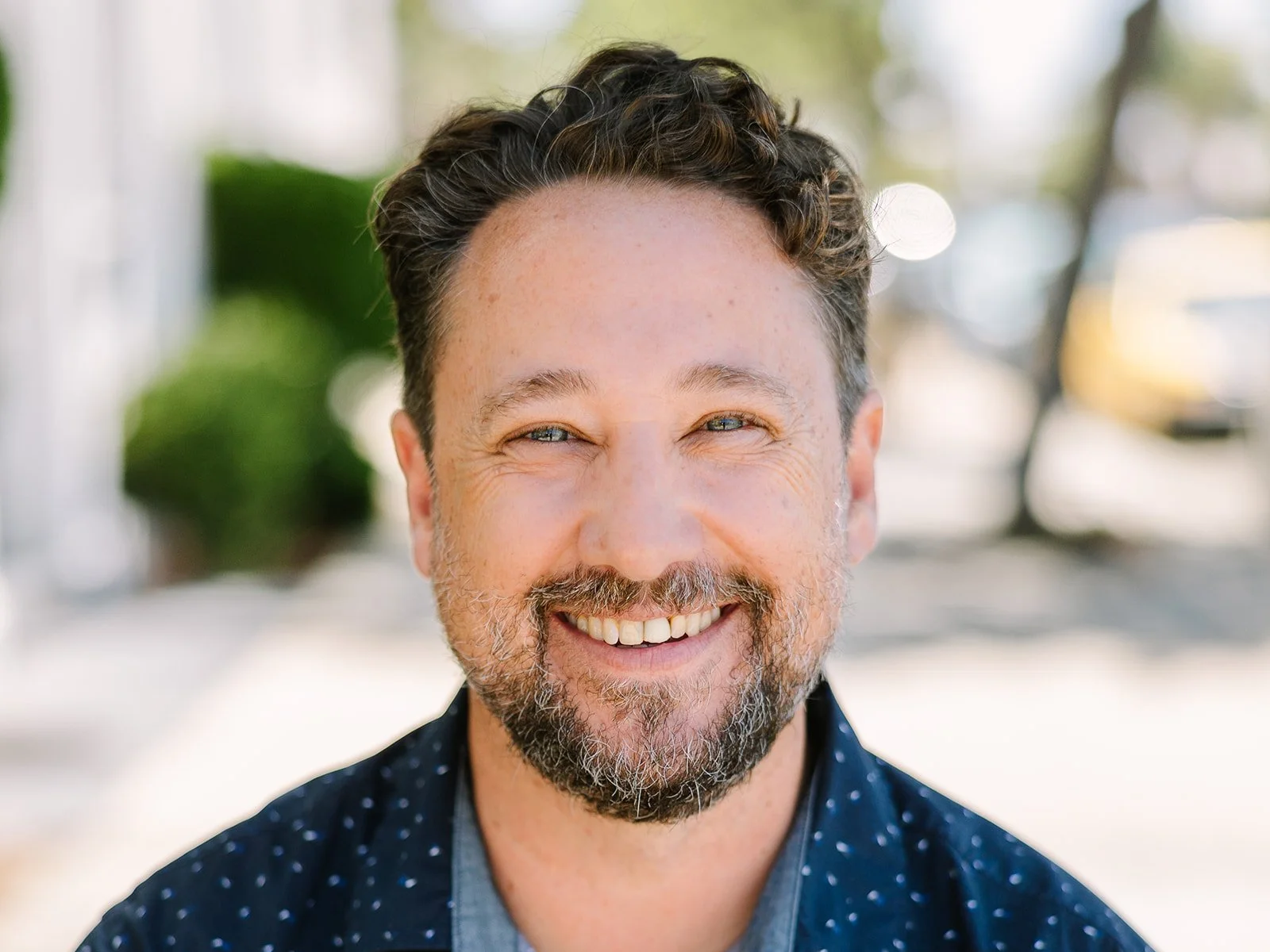
I also currently serve as a pastor in Southern California. Recognizing that my social location as a white male clergy person within a Christian institution shapes the research relationship, I approach this study with careful attention to creating supportive and collaborative spaces where participants can describe and interpret their experiences in their own terms. Accordingly, my research design includes women as story circle co-facilitators who are licensed mental health professionals to help create a supportive environment and involves participants as collaborators in the interpretation of preliminary findings.
This study is not an evangelistic, apologetic, or pastoral project. It is an interdisciplinary academic research project concerned with understanding participants’ experiences of religious belonging and subsequent disaffiliation. It is intended to contribute toward a better understanding of the impact of religious systems and structures on women. I am not seeking to persuade participants to return to Christianity, reconsider their beliefs, or arrive at any particular conclusion about religion. My role as a researcher is to listen carefully to participants’ stories and seek to understand their experiences of lived religion.
This study is being conducted as part of my doctoral research at Fuller Theological Seminary under the supervision of my dissertation committee and with the approval of Fuller Theological Seminary’s Institutional Review Board (IRB).